
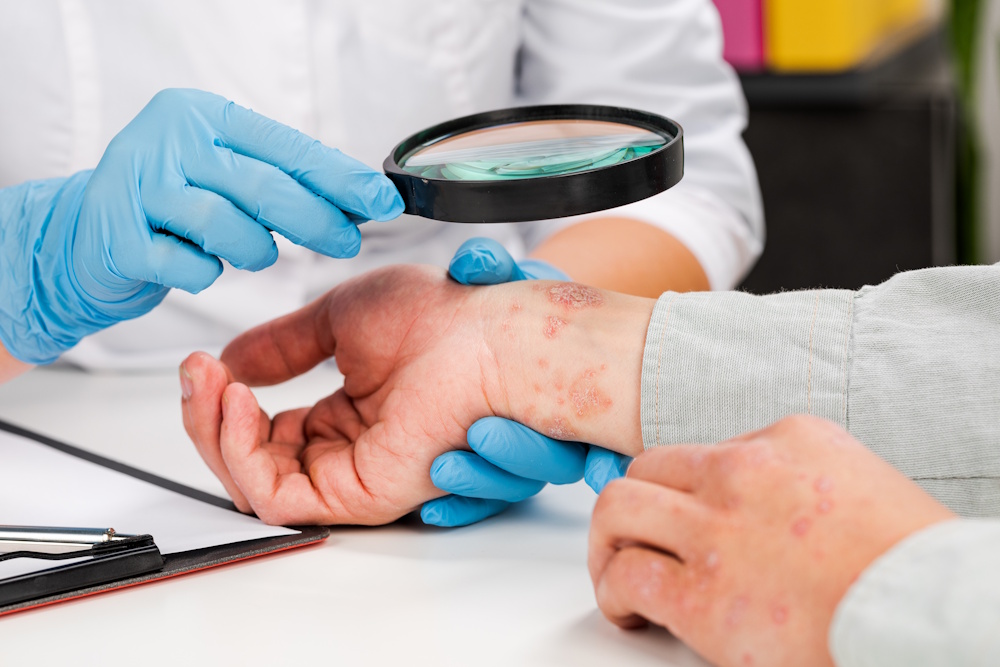
In an NHS Continuing Healthcare (CHC) assessment, the Skin domain evaluates a person’s risk of skin breakdown and their need for care to maintain skin integrity, including the prevention and treatment of pressure damage and wounds.
This domain helps determine whether skin‑related needs contribute to a primary health need under the Care Act and CHC National Framework.

What the Skin Domain Covers
Assessors consider:
- Current skin condition
- Presence of pressure ulcers or other wounds
- Risk of developing skin damage
- Preventative and treatment interventions
- Complexity, frequency, and skill required to manage skin care
- Whether skin breakdown is avoidable or unavoidable
Skin issues commonly assessed include:
- Pressure ulcers (Categories 1–4, unstageable, or deep tissue injury)
- Surgical wounds
- Leg ulcers
- Incontinence‑associated dermatitis
- Skin tears
- Rashes or fungal infections
- Fragile skin requiring specialist handling
Levels of Need in the Skin Domain
The Skin domain is scored from No Needs to Severe Needs.
🔹 No Needs
- Intact skin
- No risk factors
- Independent repositioning and self‑care
🔹 Low Needs
- Skin intact but at risk
- Occasional prompting or basic preventative care
- Risk managed easily through routine interventions
🔹 Moderate Needs
- One or more areas of skin breakdown
- Preventative care required regularly
- Healing wounds that require monitoring
- Repositioning necessary but manageable
🔹 High Needs
- Open pressure ulcers
- Multiple areas of breakdown
- Requires skilled intervention
- Frequent monitoring and specialist equipment
🔹 Severe Needs
- Complex skin damage that is not responding to treatment or reoccurs shortly after partial healing
- Intensive, specialist skin management
- Open pressure ulcers
- Multiple wounds that are not responding to treatment
⚠️ Note: The presence of a pressure ulcer alone does not automatically qualify someone for CHC. The decision depends on overall need, complexity, and interaction with other domains.
Key Factors Assessors Look For
- Risk Assessment
- Use of tools such as the Waterlow or Braden Scale
- Frequency of reassessment
- Whether risk is stable or worsening
- Preventative Measures
- Repositioning schedules (e.g. every 2 hours)
- Pressure‑relieving mattresses or cushions
- Skin inspections
- Moisture management and continence care
- Treatment Requirements
- Wound care regimes
- Dressings and frequency of changes
- Specialist input (e.g. tissue viability nurse)
- Response to treatment
- Avoidability
- Whether skin damage occurred despite appropriate care
- Evidence that all reasonable precautions were taken
- Important for determining responsibility, not eligibility
Interaction with Other CHC Domains
Skin needs rarely exist in isolation and are often linked to:
- Mobility – inability to reposition independently
- Continence – moisture damage increasing risk
- Nutrition – poor intake delaying healing
- Cognition – inability to follow pressure relief instructions
- Behaviour – resistance to repositioning or care
- Medications – steroids or poor circulation affecting skin health
When skin issues interact with these domains, they may increase:
- Complexity
- Intensity
- Unpredictability
These characteristics are central to determining a primary health need.
Common Misconceptions
❌ “Only category 4 pressure ulcers count”
✅ Lower‑grade wounds can still indicate high or severe need when combined with other factors.
❌ “If the skin damage was avoidable, CHC won’t apply”
✅ Avoidability relates to accountability, not eligibility.
❌ “Skin alone decides eligibility”
✅ CHC eligibility is based on total needs across all domains.
Evidence That Strengthens the Skin Domain
If you are preparing for or challenging a CHC assessment, helpful evidence includes:
- Wound charts and photographs
- Tissue viability nurse reports
- Risk assessments
- Care plans showing frequency and complexity of care
- Incident reports
- GP or specialist letters
- Records of deterioration or non‑healing wounds
Why the Skin Domain Matters
Skin integrity is not just a comfort issue—it reflects underlying health, mobility, nutrition, circulation, and systemic illness.
Significant or deteriorating skin needs can be a strong indicator of complex healthcare needs, especially when skilled intervention is required.
Final Thoughts
The Skin domain is about far more than pressure ulcers—it’s about risk, clinical oversight, and ongoing skilled care.
If you are supporting someone through a CHC assessment, ensure their skin integrity is:
- Fully evidenced
- Clearly described
- Linked to risk and complexity
- Subject access requests should be sent to all professionals involved in skin integrity management including tissue viability nurses, district nurses or consultants.
A well‑presented Skin Integrity domain can be pivotal in achieving a fair outcome.
If you’re preparing for a CHC assessment, make sure skin integrity needs are clearly documented, fully evidenced, and understood in the context of risk—not just current stability.
Simply CHC provide free advice and guidance to help people navigate this complex process. Please do get in touch with us for free, tailored advice. Email Danielle directly – danielle.whitfield@simplycontinuinghealthcare.co.uk or call us on 01733 595 456. Alternatively, please feel free to fill in our contact form with as much detail as possible – https://simplycontinuinghealthcare.co.uk/contact/ – and one of our dedicated team will be in touch. We are not location specific and cover many areas across England and Wales.