
Life Changing Injury
Life Changing Injuries
Life changing injuries are generally defined as injuries that are so serious that they result in some form of permanent disability and long-term health problems that result in the need for an ongoing care package due to increased healthcare needs.
They are injuries that have the effect of changing your life and care requirements for the future. We have provided some examples below of injury that would commonly be defined as life changing injury.
Whilst it is impossible to provide a complete list of injuries that might accurately be described as “life changing” we have provided some of the most common examples below.

Most Common Injuries
This is not an exhaustive list of injuries that may result in a primary healthcare need

Brain Injury
Any head injury that results in damage to the brain has the potential to be truly life changing. A less serious brain injury may result in relatively modest changes to the life of the individual who may require more support and guidance to complete daily routine tasks. They may require assistance to go out of their house and go shopping due to a decreased level of risk awareness.
Unfortunately, more serious head injuries can cause seriously reduced mental abilities, resulting in the individual being incapable of work or independent living and being reliant on full time care for the remainder of their life.
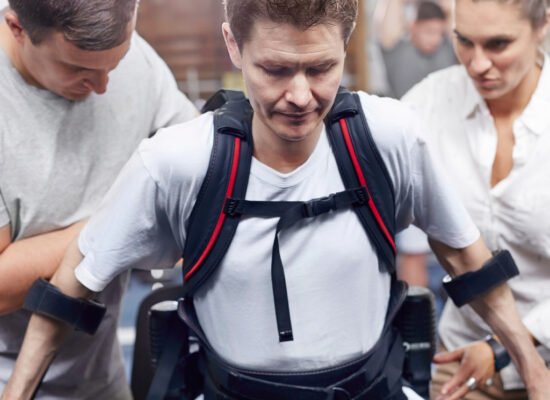
Spinal Cord Injuries
Injuries to the spinal cord also vary in degree, which in turn, impacts upon the extent to which they necessitate changes being made to the care of the individual. Injury to the back may result in bruising and pressure on the spinal cord.
At its most serious however, a spinal cord injury may result in paraplegia or quadriplegia, rendering the individual reliant on the care of others and restricting their mobility without the assistance of specialised equipment. Indeed, the famous case of Pamela Coughlan relates to such an injury.

Oxygen Deprivation
One of the most extreme consequences of oxygen deprivation is the impact that it has on the brain. If the brain does not receive the oxygen it requires to function properly, it might well sustain permanent, severely disabling harm, resulting in significant life changing consequences for the individual.
The individual is likely to require 24/7 care to facilitate their daily activities and assist them with all aspects of their life.
How We Can Help
Our team are specialists within this field and provide much needed advice to those who have experienced serious injury. We provide support and guidance as to how healthcare needs may indicate a primary healthcare need. The NHS CHC application process is often long and complex, and if you have experienced a life changing injury the likelihood is that you will be attempting to manage many different aspects of your life and adapt to your new life.
We understand that at this time, it is likely you have many other worries and concerns that you are trying to juggle. Your future care and who will fund that care should not be one of them. We can handle the application process for CHC from start to finish ensuring that you have the best chance to get your future care needs fully funded. The process is set out below.
Our Process
1. Contact Us
Please feel free to contact us directly via our Contact Us page or call 01733 595456. After you have discussed your healthcare needs, the caseworker will advise you regarding the strength of your case and how to move forward, with or without our services.
2. Sign a Form of Authority
In order to request your medical records, we will require you to sign a form of authority. Your medical records will then be requested, and the caseworker will do an in-depth review of the received documents. Dependant on the package, we will then liaise with the ICB to schedule the assessment.
3. Report
After an extensive review of your medical records, our caseworker will select the most relevant information and create a report which will provide you with listed evidence and support to move forward.
4. We will come and meet you and your loved one
If you are engaging Simply CHC for an appeal, following the creation of the draft report utilising the evidence, we will then come and meet you and your loved one. We will discuss any current healthcare needs, amend the report to support any of your views and discuss what you would like to do in the future regarding your care.
5. Advocacy
All the packages we provide include advocacy at any meetings regarding NHS CHC. One of our caseworkers will attend the meeting with you, supporting and advising you throughout. Further, if you wish, the caseworker can represent you providing the Nurse Assessor with the relevant healthcare information per your records and advocate for you throughout the meeting. At this stage, the caseworker will be as involved as you would like them to be.
6. Next Stages
After the assessment, our caseworker will sit with you and discuss the meeting. Should the assessment criteria have been met, the caseworker will discuss the next stages. The caseworker will ask you if you want our assistance moving forward or advise you how to move forward independently.